
Allow me to introduce myself by way of my passions.
Form Follows Function, Then Iteration
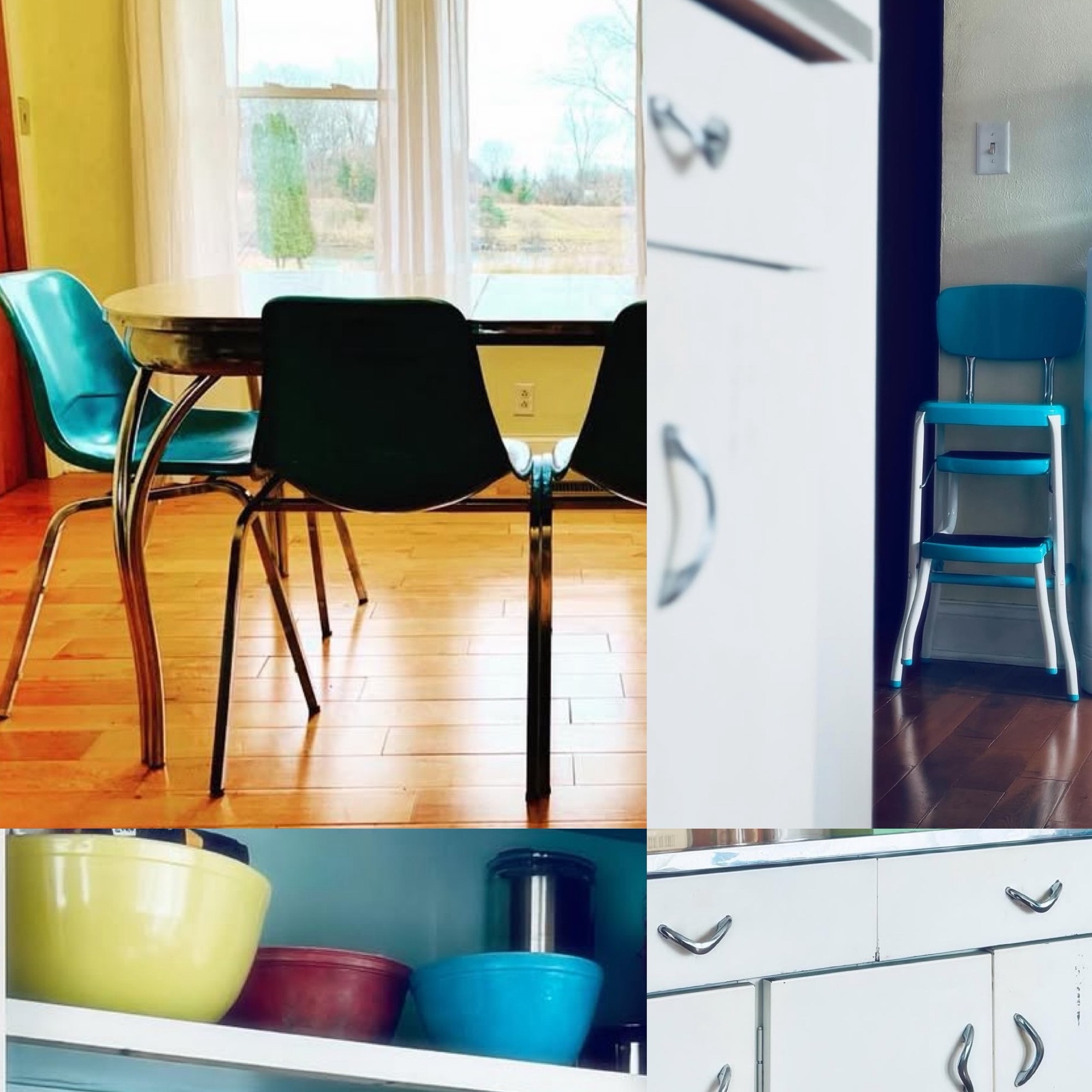
My coffee bar is a 1950s metal cabinet with chrome boomerang handles and clean lines. Atomic design isn’t just aesthetic — it’s philosophy: durable infrastructure that supports robust use.
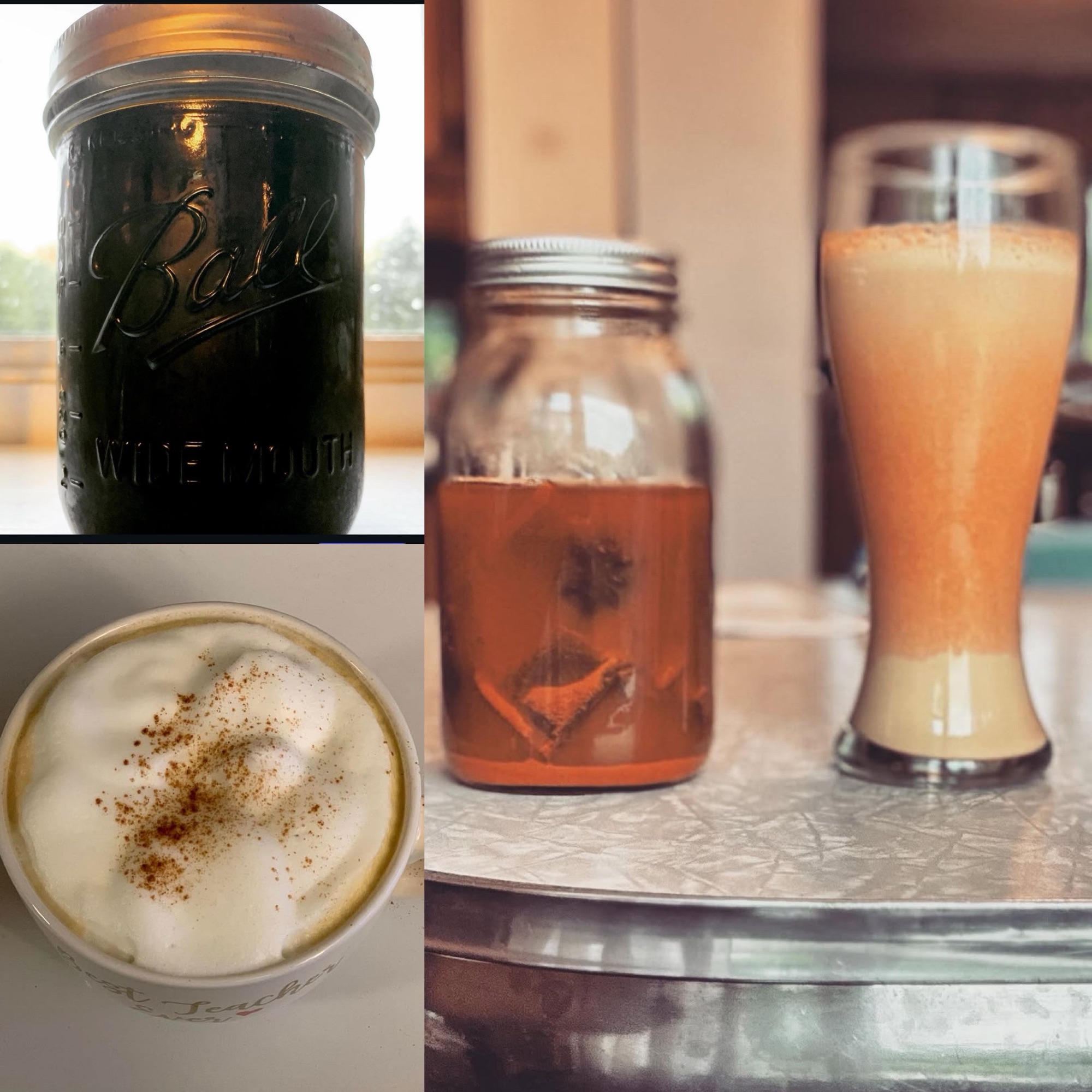
A standard percolator designs for the idea of a standard American user. My bar’s designed for everyone I may have the pleasure of hosting. Moka pot for Italian espresso or Cuban cafecito. Phin for Vietnamese-style drip with sweetened condensed milk at the ready. Mexican-style hot chocolate from a local supermercado. Black assam tea leaves, ceremonial-grade matcha, crushed spearmint, star of anise, and green cardamom kept on hand for unhurried late-afternoon conversations with guests for whom this is norm, not novelty.
I learned these preferences through relationships. But each invitation to cross a front door threshold and cultural divide — to enter into homes of first generation American immigrants and of citizens in visited countries — demanded a choice. I could appreciate these beautiful cultural experiences, appropriate them, or pick up the unspoken responsibility to adapt my schema regarding who deserves space for their whole self at my kitchen table — and at any table to which I am given access. These moments, and my ever-growing capacity to appreciate the enormity of the grace they represented, have shaped how I design my own space. No retrofitting, no accommodations as afterthought. The curb-cut effect is real: thoughtful, inclusive design benefits everyone. In learning experience design, this conviction is my north star.
Camping Constraints-Informed Design Thinking
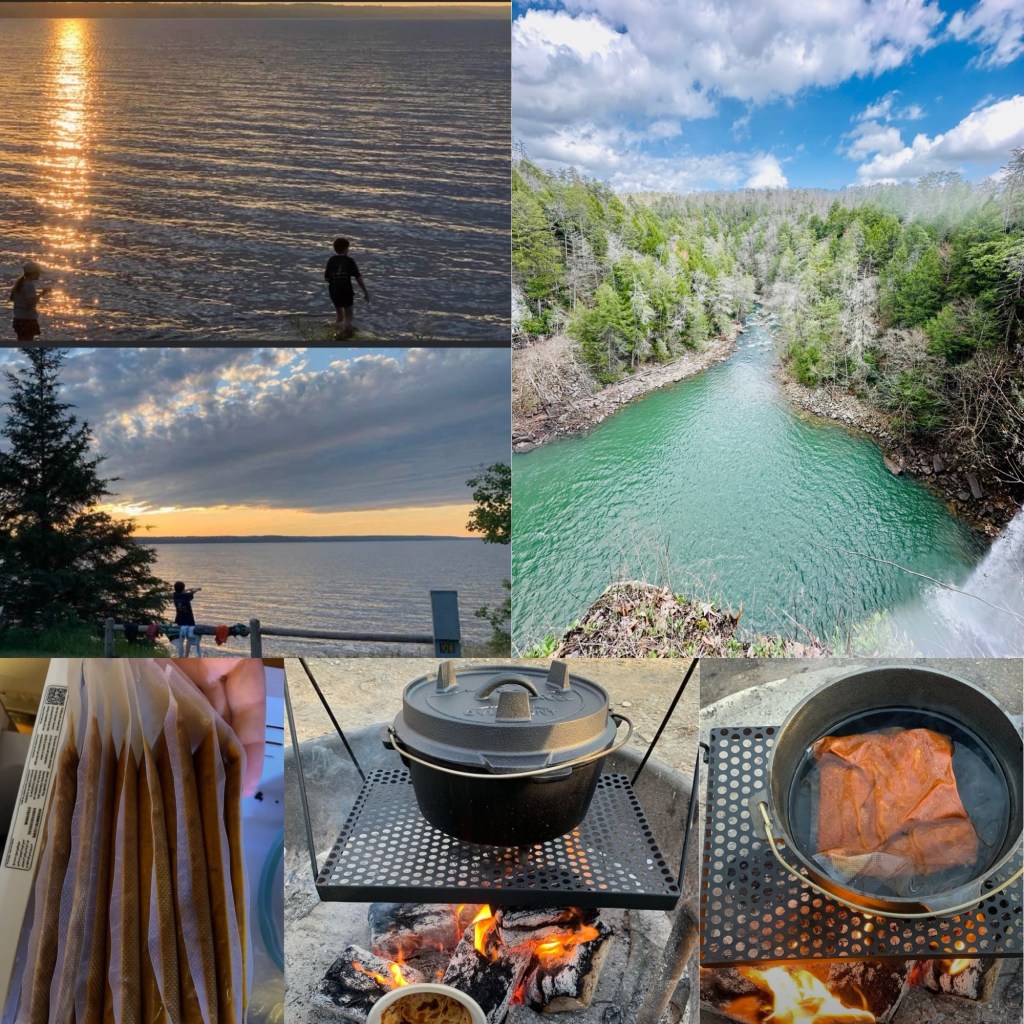
Tent camping is a few days of roughing it dotted with nothing short of golden moments. The distinctly muffled sound of laughter coming through mouthfuls of still-molten marshmallows. The equally distinct silence when you get to an outcrop and the view takes your breath away.
Tent camping is also project management in miniature. Limited vehicle space, limited pack weight, and limited resource availability once you’re there means every decision is trade-off analysis. The best views require the hardest hikes. That means carefully considered footwear, skin protection, and gear light enough to carry, but rugged enough to take a beating. Also, you can’t live on marshmallows.
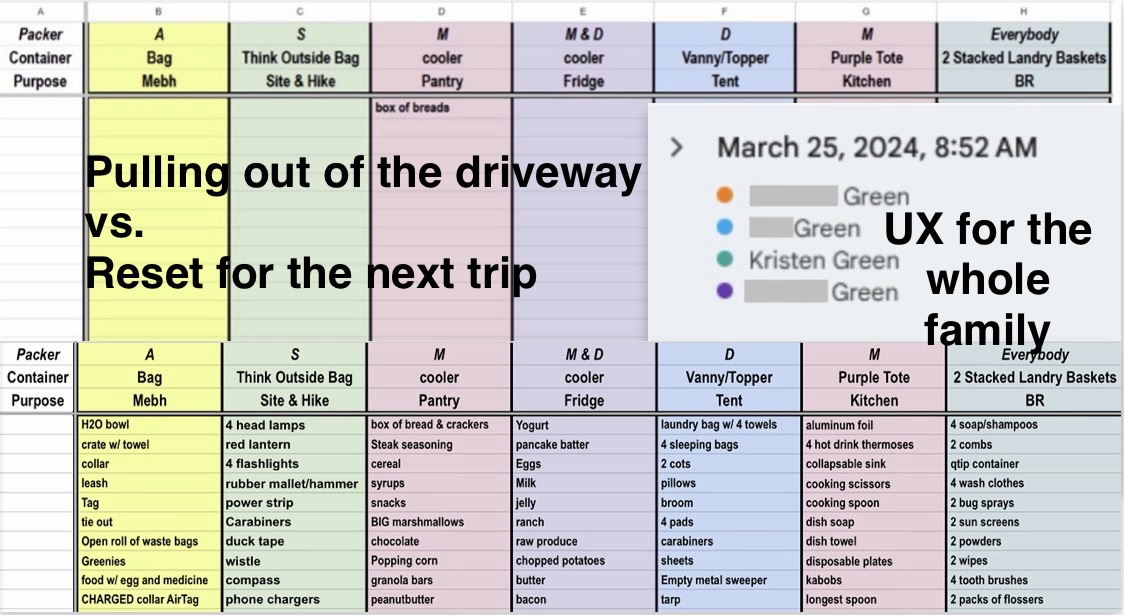
So I built a system. A spreadsheet that resets via version history, with color-coded delegation so each family member sees only their responsibilities. No re-explaining, no confusion, no post-sunset site set-up “I thought YOU packed it!” moments.
Research. Contingency planning. Evaluating assumptions — because once you’re there, it’s too late. This is the same rigor I bring to instructional design.

Closed-(Fruit)Loop Systems Thinking
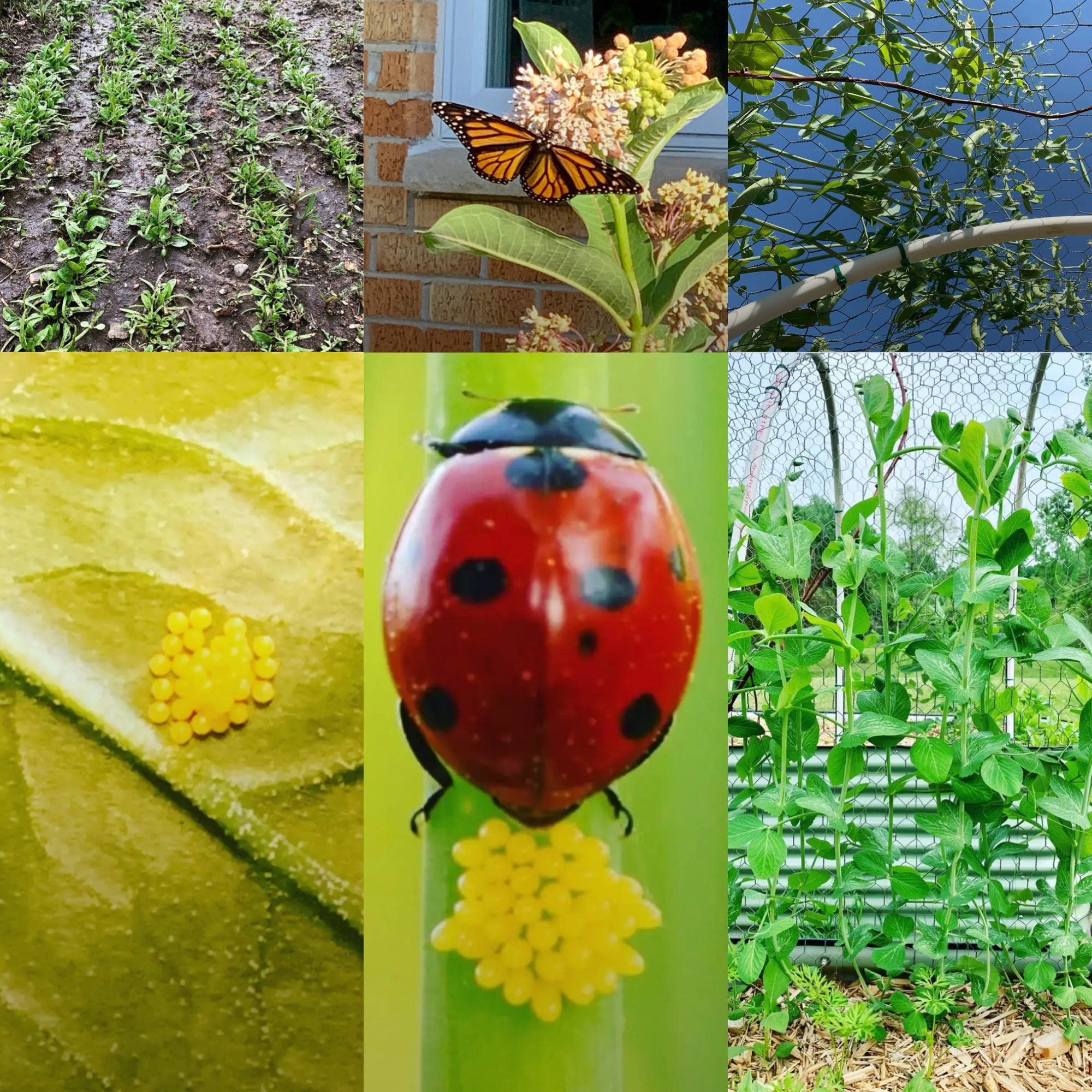
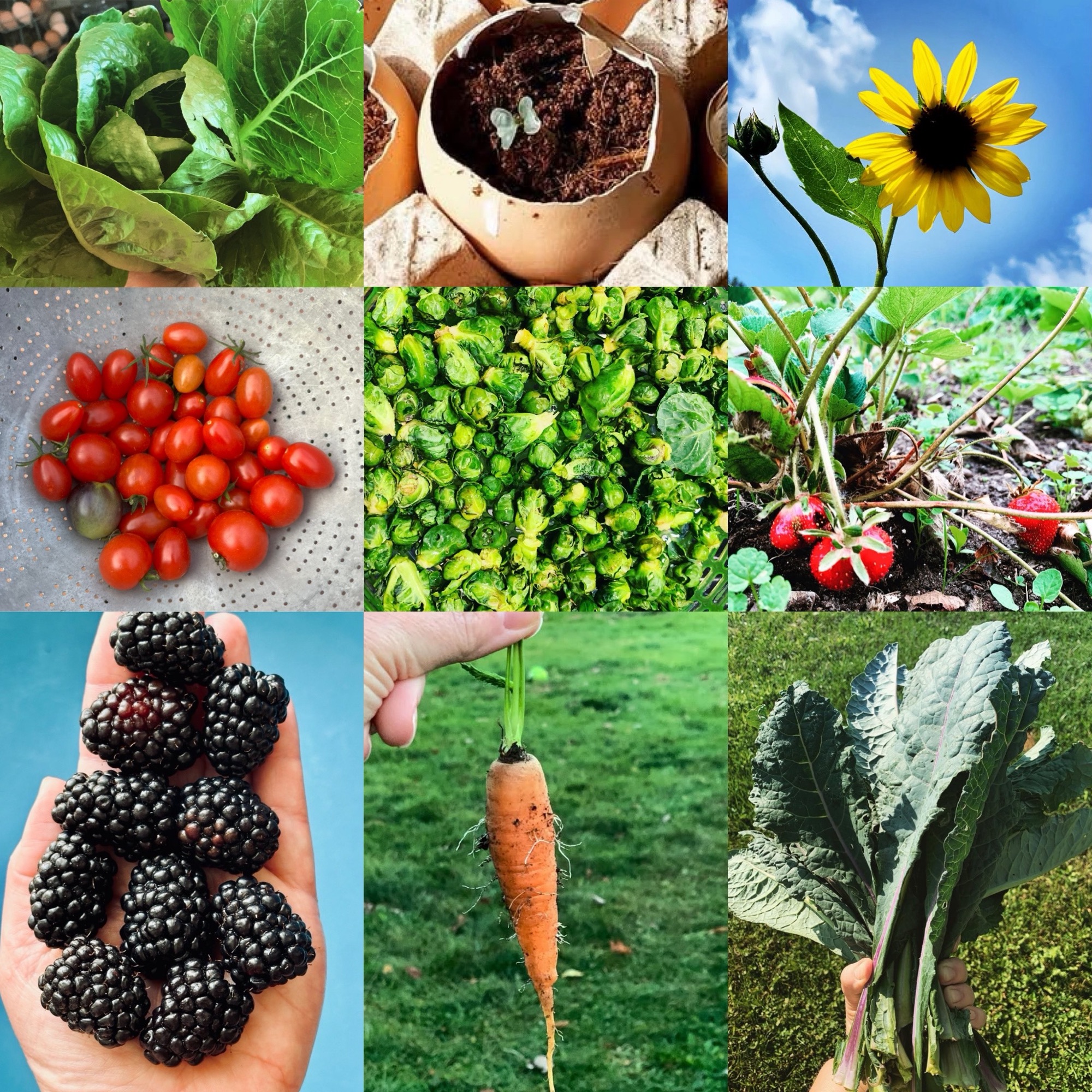
I replaced chemical fertilizer and pesticides with a system. It started with compost I created from our own kitchen waste — with help from our chickens. Then nematodes in the soil to handle underground pests. Then strategic native flowers planted in and around where produce seedlings were bound so that by the time there was significant leafage in danger of aphids, ladybugs had already moved in and started mega-families.
As black-, blue-, and strawberries bloomed, beebalm, milkweed, black-eyed susans, and goldenrod had guaranteed my garden was a pollinator hotspot. Tomatoes and sugar snap peas grew faster than we could eat them — berries went to the freezer, extra tomatoes went back to that same flock as treats.
Kitchen waste feeds compost. Compost feeds soil. Flowers protect and pollinate produce. Excess produce feeds chickens. Chickens feed compost. One design. Every output becomes an input.
You may also find these experiences, and my living resume, by entering the Articulate Rise experience below.
 small MATTERS